Blog
The Plan Comes Before the Schedule
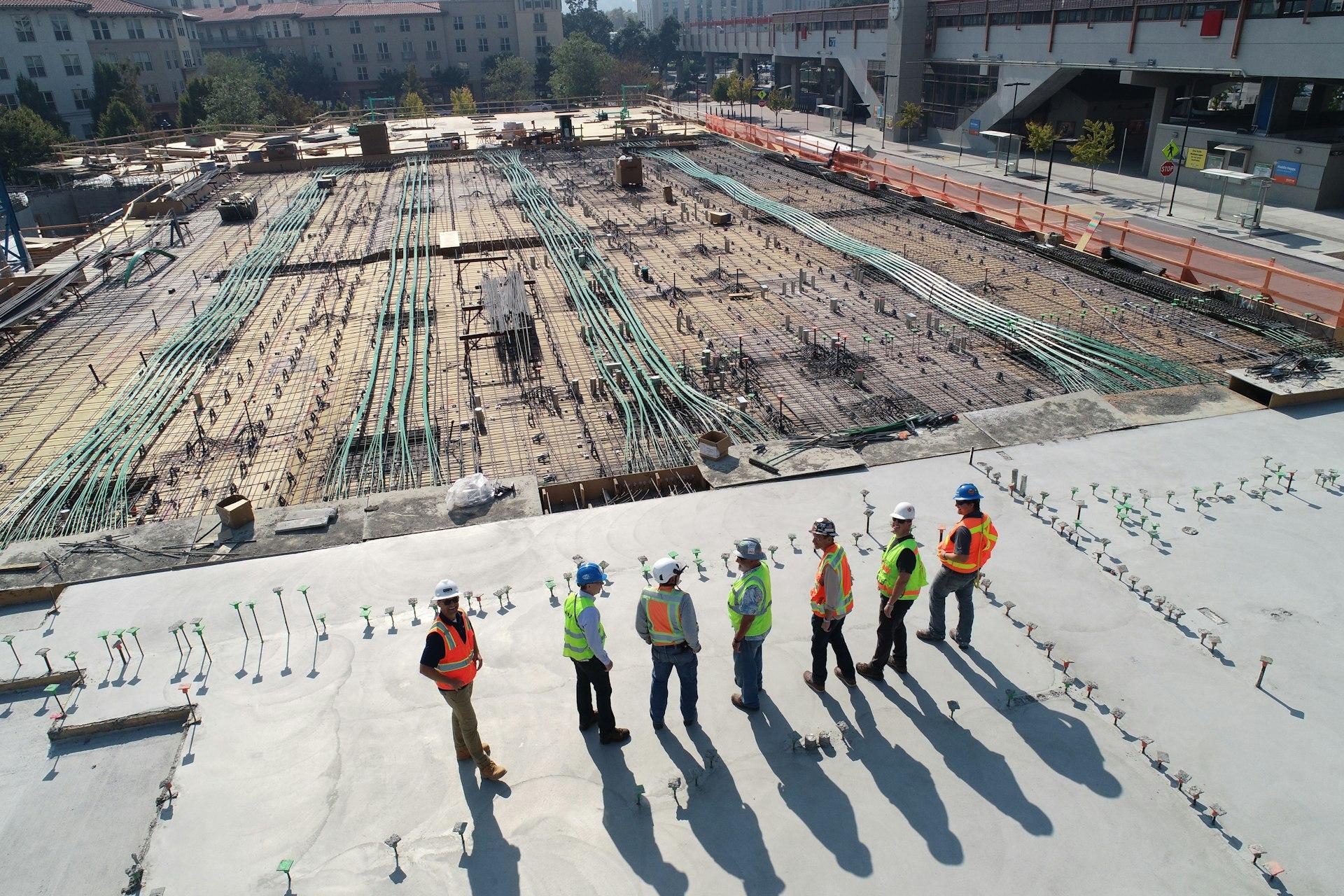
A quality schedule does not always equal a quality plan.
This is something I see repeatedly on live projects. A planner builds a technically excellent programme — clean logic, appropriate detail, well-structured WBS, compliant with every specification requirement. The schedule passes every audit. It looks professional.
And then it fails in delivery.
Not because the scheduling was wrong. Because the planning was never done.
A schedule is not a plan
This distinction matters. It is fundamental to how I think about project controls.
A schedule is a model. It represents activities, durations, logic, and dates. It lives in software — Primavera P6, Microsoft Project, or another tool. It is a technical artefact.
A plan is something different. A plan is an understanding. It is the shared clarity about how work will actually be delivered — what comes first, what depends on what, where the risks are, who is responsible, and what happens when things do not go as expected.
You can have a schedule without a plan. Many projects do.
You can also have a plan without a schedule — though this is rare and usually informal. But when you have both, and they are aligned, that is when project control becomes possible.
The critical distinction
The schedule should be a representation of the plan. Not a substitute for it.
Building a programme vs. building a delivery plan
There is a difference between the activity of building a programme and the activity of building a delivery plan. They require different skills, different conversations, and different thinking.
Building a programme is largely technical. You define activities. You estimate durations. You create logic links. You resource-load if required. You run the scheduler. You produce outputs.
Building a delivery plan is collaborative. It requires understanding the project — not just the scope, but the methodology. How will this work actually be done? What equipment is needed? What trades are involved? What interfaces exist between packages? What constraints will govern the sequence?
These questions cannot be answered by a planner alone. They require input from the people who will do the work — superintendents, foremen, subcontractors, engineers. They require discussion, challenge, and refinement.
When planners build schedules in isolation, they produce technically correct models that do not reflect delivery reality. The logic looks reasonable. The dates seem achievable. But the people responsible for execution do not recognise their work in the programme. They do not own it. They do not trust it.
This is the critical point. A plan that is not understood and accepted by the delivery team is not a plan. It is a document.
Methodology before logic
Before you can schedule work, you need to understand how that work will be delivered.
This sounds obvious. In practice, it is often skipped.
I have seen schedules where the logic was built based on assumptions about construction sequence that were never validated. The planner assumed work would proceed from one end of the building to the other. The site team planned to work from the middle outward. The schedule showed one critical path. The delivery followed another.
Methodology matters. How will the structure be erected? How will systems be installed? What zones will be prioritised? What commissioning sequence is required?
These are not scheduling questions. They are delivery questions. And they need to be answered before the schedule is built — not after.
When planners start with the software, they often skip this step. They build logic based on how work could be done, not how it will be done. The result is a schedule that is technically valid but practically useless.
Constraints-based planning
Every project has constraints. Lead times on equipment. Access limitations. Design dependencies. Resource availability. Regulatory approvals. Weather windows.
Good planning starts with constraints, not activities.
Start with what is fixed
When you understand the constraints, you understand what drives the programme. You know which activities have flexibility and which do not. You know where the real risks are.
When you build a schedule without understanding constraints, you create a model that assumes everything will go as expected. It will not. And when reality diverges from the model, you are left trying to recover a programme that was never grounded in reality to begin with.
I work with constraints explicitly. Before building logic, I map out what is fixed and what is flexible. Long-lead procurement. Key interfaces. External dependencies. Design milestones. These become the skeleton of the programme. Everything else is built around them.
This approach produces schedules that are more robust, more realistic, and more useful for decision-making. They reflect the project as it actually is, not as we hope it will be.
Collective ownership and buy-in
Here is the reality most programmes don't show: a schedule is only as good as the buy-in behind it.
You can build the most technically perfect programme in the world. If the delivery team does not understand it, trust it, or feel ownership of it, the programme will not drive behaviour. It will be something the planning team maintains. It will not be something the project uses.
Buy-in is not about getting signatures on a baseline. It is about building shared understanding.
This requires involving the right people in planning — not after the schedule is built, but during. It requires facilitated sessions where methodology is discussed, logic is challenged, and constraints are identified together. It requires planners who can listen, translate, and synthesise input from multiple sources.
When teams build plans collectively, they create something more than a schedule. They create alignment. They create accountability. They create a shared commitment to the delivery path.
This is harder than building a schedule in isolation. It takes more time. It requires coordination. It demands interpersonal skills as much as technical skills.
But the result is a plan that works. A plan that people follow. A plan that supports decisions rather than defending excuses.
Tools as enablers, not drivers
Scheduling software is a tool. It is useful. It is necessary for complex projects. But it is not the source of good planning.
I have seen planners who are highly proficient in Primavera P6 but cannot explain the critical path to a site manager. I have seen beautiful Gantt charts that had no connection to how work was actually being done. I have seen projects invest heavily in planning technology while neglecting the conversations that make planning effective.
The tool does not create the plan. The people do.
When teams become overly focused on the software, they lose sight of what the software is for. It is for modelling a plan that has been developed through collaboration and grounded in delivery reality. It is not for generating a plan from scratch.
Use the tools. Become proficient in them. But never forget that the tool is in service of the plan, not the other way around.
A quality schedule is not enough
This is the point I want to leave you with.
A quality schedule is necessary. Technical competence matters. Logic integrity matters. Appropriate detail matters. Compliance with specifications matters.
But a quality schedule is not sufficient.
What makes planning effective is not the schedule itself. It is the understanding behind it. The collaborative process that built it. The constraints that shaped it. The buy-in that sustains it.
A quality schedule without these things is a well-built model of a reality that does not exist. It will look good in reports. It will satisfy audits. It will fail in delivery.
A quality plan — even if the schedule that represents it is simpler — is something the team understands, trusts, and uses. It drives decisions. It creates accountability. It connects planning to delivery.
That is the goal. Not a perfect schedule. A useful plan.
Closing thought
The schedule is the representation. The plan is the understanding. Build the plan first — with the people who will deliver it — and the schedule will follow.
Start with the schedule alone, and you may end up with a technically excellent model that nobody trusts and nobody uses.
A quality schedule does not always equal a quality plan.